
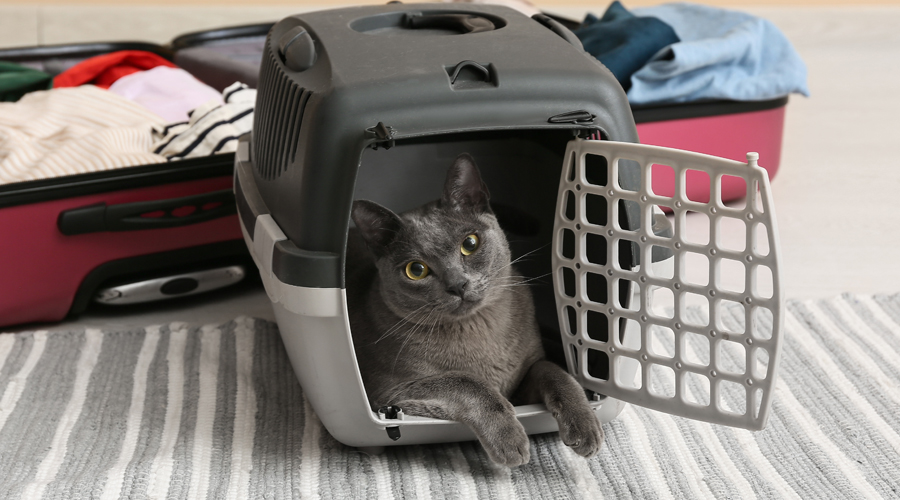
If you’re planning to move abroad with your cat, you’ll probably have lots of questions about how to get them there safely.
You also have quite a bit to arrange before your cat can fly. Some countries require rabies blood tests and lengthy waiting periods, while others have much simpler entry requirements. Even the airline you choose will affect how your cat travels.
This guide explains what’s involved in moving overseas with a cat from the UK, what to organise before departure and what to expect during the journey.
How Do You Move a Cat Overseas From the UK?
Start by checking the pet import rules for the country you’re moving to, as they’ll tell you when your cat can travel and help you plan your relocation. You’ll also need to arrange the required vaccinations, veterinary paperwork and an airline-approved travel crate. For destinations such as Australia and New Zealand, you’ll also need to factor in rabies blood testing and mandatory quarantine.
Moving a Cat Abroad From the UK In More Detail:
Before you start arranging your cat’s move abroad, you’ll need to check the entry requirements for your destination. These vary considerably by country, with some destinations requiring lengthy waiting periods for rabies testing. Once you know what’s required, you can begin organising the following arrangements:
Microchipping
Your cat will need a microchip that meets your new country’s identification requirements. Many countries accept ISO-compliant 15-digit microchips, but your vet will scan yours to confirm it works and the number matches your cat’s records.
Please be aware of the dates and timeframes.
For travel to the EU, your cat must be microchipped before (or at the same time as their rabies vaccination). If you vaccinated your cat first, you may need to repeat it before your cat is eligible to travel.
Rabies Vaccination and Blood Testing
Even if your cat is fully vaccinated for life in the UK, their existing vaccinations might not meet the requirements for international travel.
Spain, for example, requires a valid rabies vaccination, but cats travelling directly from Great Britain don’t normally need a rabies antibody blood test.
Australia, on the other hand, has a longer process.
If you’re moving your cat to Australia, you’ll need a rabies vaccination and a Rabies Neutralising Antibody Titre Test showing an acceptable antibody level. There’s then a minimum 180-day waiting period from when the blood sample reaches the laboratory before you can export your cat.
New Zealand also has specific rabies vaccination and antibody testing requirements for cats arriving from the UK.
Veterinary Health Certificates
Your cat will need official paperwork confirming they meet the health requirements of the country they’re entering. The type of certificate and when it must be issued will depend on your destination.
For Spain, cats travelling from Great Britain generally need an Animal Health Certificate, unless they already have a valid EU or Northern Ireland pet passport. You must use an AHC to enter the EU within 10 days of issue.
Countries outside the EU often require an Export Health Certificate (commonly known as an EHC) completed by an Official Veterinarian. Some destinations also require veterinary examinations or treatments within a specified number of days before departure.
Import Permits
Some countries require permission before your cat can enter.
Australia requires an import permit, which you apply for after completing the necessary rabies preparations. The UAE also requires an import permit for cats arriving from the UK.
Check the application process early, as an import permit may need supporting veterinary documents and approval can take time. Your cat’s flight arrangements should account for when the permit will be available.
Airline Booking and Travel Arrangements
Unfortunately, not every airline accepts cats, and those that do have different rules about where they travel.
Some international airlines allow small cats to travel in the passenger cabin, subject to weight limits and an approved carrier. However, on certain routes, cats travelling from the UK must fly in the aircraft hold as manifested cargo, with their booking handled separately from your passenger ticket.
You’ll also need to check the airline’s pet policy for the exact route, including any connecting flights, because a passenger connection that looks convenient isn’t necessarily suitable for transporting a cat overseas.
An Airline-Approved Travel Crate
For cats travelling in the aircraft hold, you’ll need a secure carrier that meets the airline’s requirements under the IATA Live Animals Regulations.
Your cat must have enough room to stand naturally, turn around and lie down comfortably. The pet crate also needs suitable ventilation, secure fastenings and an accessible water container.
Buy the carrier well before departure if possible. Leave it open at home with familiar bedding inside, and let your cat explore it at their own pace, giving them enough time to get used to the space before travelling in it for several hours, which can reduce stress during the journey.
Quarantine Arrangements
Quarantine is compulsory for cats entering some countries — even when their vaccinations and paperwork are correct.
Cats moving to Australia from the UK generally need to spend at least 10 days at the Mickleham post-entry quarantine facility in Melbourne. New Zealand also requires cats from the UK to stay at an approved quarantine facility, generally for at least 10 days.
Where quarantine is compulsory, you’ll need to arrange a place before travel and account for the time between your cat landing and being released into your care.
Arrival, Customs Clearance and Collection
Your cat’s journey to their new home doesn’t necessarily finish when the plane lands.
Depending on the destination, border officials might need to check them, scan their microchip and examine their import documents before they’re released.
If your cat travels as manifested cargo, collection usually happens through the airline’s cargo facility or an appointed handling agent.
It’s best to confirm these arrangements before departure so you know exactly where your cat will be taken after landing and when you can collect them.
When to Start Planning Your Cat’s Move Overseas
You might be ready to move abroad in a few weeks, but that doesn’t necessarily mean your cat will be able to come with you straight away. There can be various timeframes that affect your travels.
As mentioned earlier, if you’re heading to Australia, the rabies blood test comes with a mandatory 180-day waiting period. New Zealand also has strict veterinary requirements that need to be completed well in advance, so both destinations require several months of preparation.
If you’re moving to Spain, Canada or the USA, you generally won’t need to start quite so early. It will all depend on your cat’s existing vaccinations and whether their paperwork is up to date. Some veterinary certificates are only valid for a short period, which means you’ll need to arrange those appointments nearer to your departure date.
Then there’s the question of flights.
You might find the perfect flight for yourself, only to discover that the airline doesn’t carry cats on that route or has no space available for animals on your chosen date. Checking this before you book your own ticket could save you having to rearrange your plans later.
There’s quite a lot to keep track of when moving a cat to another country, especially when you’re organising an international move at the same time. If you’d prefer some help, a professional pet travel company can work out a suitable travel schedule for your cat, arrange the veterinary paperwork and find an appropriate flight. They’ll also help you understand what needs your attention now and what can wait until closer to the move.
Helping Your Cat Make the Move Abroad
You want your cat to arrive safely in their new country and be reunited with them as soon as possible.
To ensure a smooth pet relocation process, that means allowing enough time for any required vaccinations or blood tests and make sure their flight and arrival arrangements are confirmed before you leave the UK.
If organising all of this feels like a lot on top of your own move, a professional cat export company can take care of your furry friend’s relocation. From checking the entry requirements to arranging their flight and collection at the other end, an experienced team can help get your cat safely to your new home, ready to settle in with you.
Need more help...