
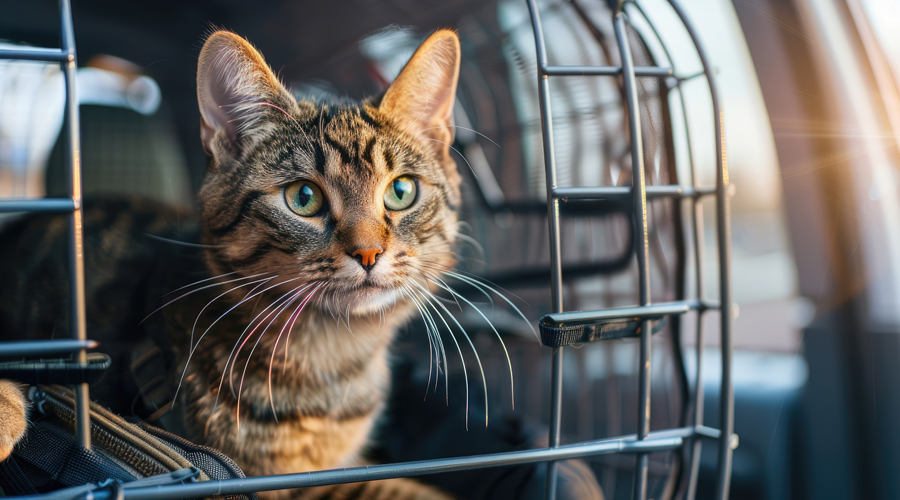
If you’re relocating your cat overseas, the thought of them spending 10 or 12 hours on a plane might be one of your biggest worries.
Fortunately, cats regularly travel safely on long-haul flights when moving abroad. But you’ll need to consider a few things before booking, including your cat’s health, the airline’s animal transport arrangements and what happens if the journey involves a stopover. Keep reading to learn more.
Can Cats Travel on Long-Haul Flights?
Yes, cats can fly on long-haul flights, including journeys lasting 12 hours or more, as long as they’re healthy enough and the airline accepts them. They usually travel in an approved carrier in the passenger cabin or in a pressurised, temperature-controlled aircraft hold. If your cat is elderly or has an existing health condition, speak to your vet before booking to check whether they’re fit for a long flight.
How Cats Cope With Long-Haul Flights
If your cat spends half the day sleeping on the sofa, you might wonder whether they’ll do the same on a 12-hour flight.
The reality is that they might sleep for some of the journey, but even a confident cat can be unsettled by the unfamiliar experience of flying.
You might already know that cats are sensitive to changes in their surroundings. And at the airport, they’ll encounter unfamiliar noises and activity before being taken to the aircraft. Once on board, they’ll hear the engines and feel some vibration during the flight. For a cat that’s used to spending most of its time at home, it’s a lot to take in.
What about the length of the flight itself?
Spending 10 or 12 hours in a travel crate isn’t automatically harmful to a healthy adult cat, but their ability to cope will vary. Some cats settle after the initial activity of departure, while others remain alert or vocalise for longer and you won’t necessarily know how your cat is responding once the flight is underway.
If your cat has struggled before with travel, you can speak to your vet about their behaviour before arranging a long-haul journey. They can assess whether or not there are any health concerns and advise you on managing travel anxiety without relying on sedation, which is generally discouraged for cats travelling by air.
Getting Your Cat Comfortable With Their Pet Travel Carrier
Did you know your cat could be inside their crate for considerably longer than the flight itself?
That includes the journey to the airport, check-in and the time spent waiting for departure, plus unloading and collection after landing. If you’re moving to Australia, for example, the flight from the UK is only part of a much longer journey.
Choosing the Right IATA-Compliant Crate
For cats travelling in the aircraft hold, airlines generally require a rigid, secure crate that meets their live animal transport rules.
Make sure you measure your cat properly before buying one because a crate advertised as suitable for cats isn’t necessarily the right size for yours and airlines can refuse a crate that doesn’t meet their requirements.
Helping Your Cat Get Used to It
You can make the pet carrier part of your cat’s everyday surroundings long before the flight
- Start with the door open – Leave the travel carrier for your cat in a room it uses regularly, with a familiar blanket inside. Give them time to approach it on their own.
- Encourage them to spend time inside – A few treats or a favourite toy can help. If your cat starts choosing to sleep there, even better.
- Introduce the closed door gradually – Begin with a few seconds while your cat is relaxed. Build up the time over several sessions, opening the door before they become distressed.
- Practise lifting and moving the crate – Once your cat is comfortable inside, try carrying it a short distance around the house. You can then introduce brief car journeys to help them become accustomed to travelling.
Food, Water and Toilet Needs During a Long-Haul Flight
It’s natural to worry as a cat owner when your furry friend is travelling a long way. You’re likely wondering how your cat will manage without their usual feeding routine or litter tray.
Here is some information on flying your cat overseas:
Feeding Your Cat Before Flying
You generally won’t want to give your cat a large meal right before travelling, as a full stomach can increase the risk of nausea and vomiting during the journey.
Ask your vet or hired pet travel company when to give your cat its last meal. And bear in mind that advice may differ if your cat is very young, has diabetes or needs food alongside medication.
Access to Drinking Water
Cats travelling in the aircraft hold need a water container attached securely to their crate, with a way for airline staff to refill it without opening the door.
Your cat might drink less than usual while travelling, but fresh water should still be available. Check the airline’s requirements for the type and placement of the container before departure.
What Happens if Your Cat Needs the Toilet?
Your cat won’t have access to their usual litter tray during the flight. For cats travelling in the hold, the crate should have absorbent bedding that can manage any accidents.
Some cats avoid toileting while travelling, although you shouldn’t assume yours will. Use absorbent material approved by the airline and avoid loose litter that could spill around the crate.
If the journey includes a lengthy stopover, ask whether the airline or animal handling facility offers opportunities to feed your cat or clean the crate. These arrangements differ by airport and must be verified before booking.
Preparing for Your Cat’s Long-Haul Journey
It’s completely understandable to feel apprehensive about your cat spending so many hours on a plane without you. But knowing how they’ll be looked after during the journey can help ease some of those worries.
Before departure, ask the airline how they’ll care for your cat during the flight and what arrangements are in place for any stopovers. At home, you can help prepare your cat by giving them plenty of time to get used to their travel crate.
If you’re moving overseas and need help, an experienced pet shipping team can handle the flight arrangements and guide you through the process. That way, you’ll have a clearer idea of what to expect while you look forward to being reunited with your cat in your new home.
Need more help...