
One of the biggest surprises for many owners is that some dog breeds aren’t allowed to enter certain countries at all.
To save you the confusion (and last-minute panic), we’ve put together an overview of which dogs are most commonly banned abroad and why these rules exist.
Which Dog is Banned From Most Countries?
Pit Bull–type dogs are the most commonly banned breed group worldwide. This includes the American Pit Bull Terrier, American Staffordshire Terrier and Staffordshire Bull Terrier. Many countries classify these dogs under breed-specific legislation, which restricts or prohibits their import due to perceived safety risks.
Why Some Dog Breeds Are Restricted Internationally
Each country sets its own policies based on public-safety concerns, past incidents and local attitudes toward certain breeds.
In many parts of the world, these rules fall under what’s known as breed-specific legislation (BSL), which aims to reduce the risk of dog attacks by limiting or controlling breeds believed to have a stronger bite force, working origins or a history of being used for guarding or fighting.
While the intention is to prevent harm, these laws can vary widely. Some countries ban certain breeds outright, while others allow them under strict conditions, such as behavioural assessments, mandatory muzzling or special permits. And airlines may add their own rules on top of national laws, particularly for strong breeds or dogs that resemble restricted types.
Another challenge is that mixed breeds that look similar to a banned dog can be flagged for extra checks or paperwork and can even be denied entry. This is one reason why many pet owners find international travel more complicated than expected.
Working with a reputable pet travel company will keep your dog safe and help you prepare early to avoid last-minute issues at the border.
The Dog Breeds Most Commonly Banned Worldwide
Although each country sets its own rules, the same breeds tend to appear on international restriction lists again and again.
Below are the breeds most frequently banned or tightly regulated when travelling abroad:
Pit Bull–Type Breeds
As mentioned earlier, the most banned dog is the Pit Bull–type, including the American Pit Bull Terrier, American Staffordshire Terrier and Staffordshire Bull Terrier. Many countries treat them as a single category and either prohibit their import or require strict controls such as permits, stronger IATA compliant crates or behavioural evaluations.
Japanese Tosa
Originally bred for Japanese dog fighting, the Tosa Inu is banned or heavily restricted in countries that focus on a dog’s historical use. These dogs are strong and often included automatically in national ‘dangerous breed’ lists.
Dogo Argentino
This large, athletic breed appears on banned lists in parts of Europe, Australasia and here in the UK. Restrictions generally stem from its background as a hunting and protection dog.
Fila Brasileiro
Known for its strong guarding instincts, the Fila Brasileiro is restricted in several regions. Some countries require a special licence to own or import one and others ban the breed entirely.
Presa Canario
The Presa Canario is regulated in many jurisdictions because of its size and power. Import rules may include compulsory training certificates or controlled transport conditions.
Boerboel
This breed is restricted in parts of Europe and Asia due to concerns about its protective nature. Some countries allow entry only after a temperament test or with proof of advanced training.
Rottweiler and Doberman Pinscher
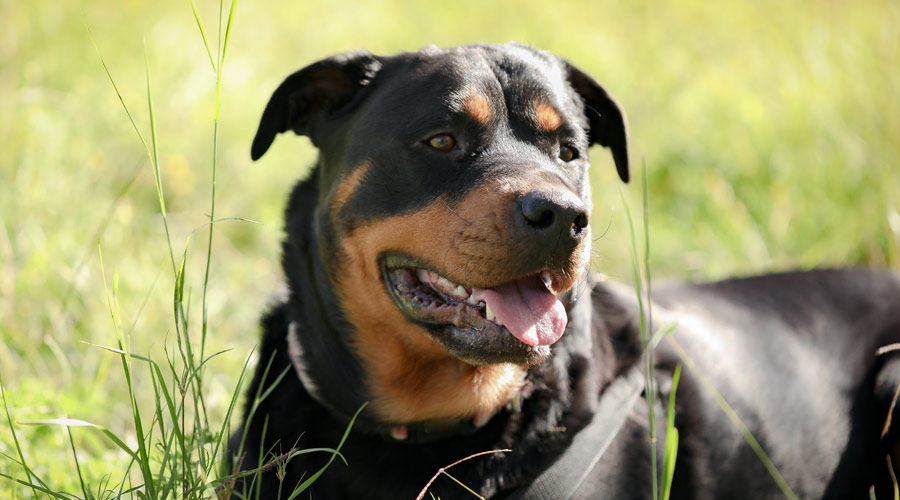
These breeds aren’t globally banned, but they frequently fall under ‘controlled breed’ categories. What this means is that certain countries may permit them only under conditions such as muzzling in public, microchipping or prior authorisation from authorities.
To learn more about these restrictions, contact an experienced pet travel company to avoid delays or cancellations.
Ready to explore...
How Breed Restrictions Differ by Region
Breed rules aren’t the same everywhere, which is why travelling with certain dogs can feel confusing.
Let’s look at how different parts of the world approach these rules:
Europe
Europe is a patchwork of regulations. The UK has some of the strictest bans, while other countries take a more flexible approach. In places like Germany or Denmark, restricted breeds may be allowed but only with proof of training or insurance. Eastern European countries can be more relaxed, but the rules still vary enough that checking ahead is essential.
Asia
Many Asian territories take a very structured approach to breed control. For example, Singapore and Hong Kong keep official lists of regulated breeds and may ask for permits, special crates or additional paperwork. Other countries, like Japan and South Korea, allow some restricted breeds but expect owners to follow strict handling and transport guidelines.
Australia & New Zealand
These countries are well known for their tough biosecurity standards and their breed rules are no different. Several breeds simply aren’t allowed entry at all. For dogs that are permitted, owners can usually expect a more detailed import process and quarantine.
North America
North America doesn’t have broad national bans, but local rules can still affect travel. In the United States, restrictions are set by individual cities or counties rather than federal law. Canada has a similar approach, with provinces like Ontario enforcing their own breed-specific rules. Airlines may add another layer of restrictions on top.
What To Do if Your Dog’s Breed Is Restricted
Discovering that your dog’s breed is restricted can feel overwhelming, but it doesn’t have to stop your travel plans. The key is to start early and gather clear information so you know exactly what’s required and see what options you still have.
Helping Your Dog Reach Their New Home Safely
So, as you can see, breed rules can make international pet travel a daunting experience, but most of the stress comes from not knowing what applies where.
A bit of early planning, the right documents and clear advice when you need it can make all the difference, ensuring your dog arrives safely and without any surprises.
Ready to explore...