
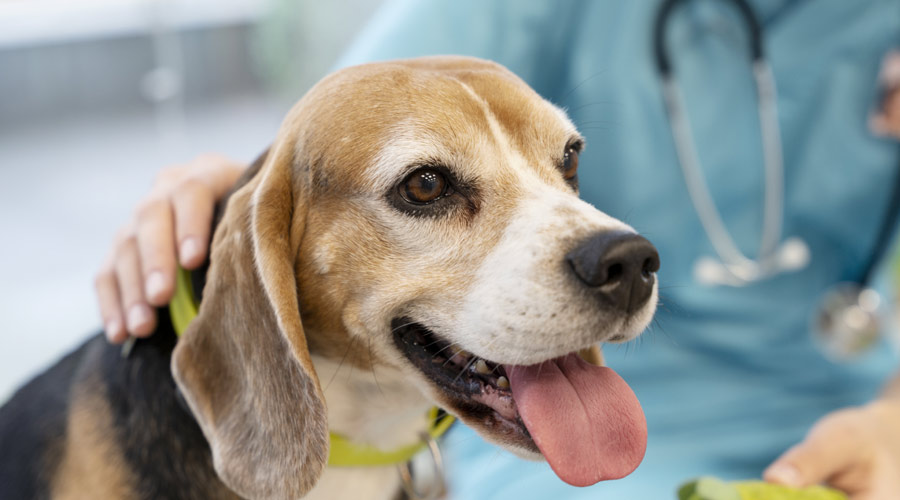
When you’re planning an international move or holiday with your pet, it’s easy to concentrate on flights and crates, but forget that health checks are often the part that determines whether your pet can travel at all.
In this article, we’ll look at when your pet should see a vet before travelling, which health checks are typically required and how different countries and airlines handle their own rules.
Keep reading to make sure you’re fully prepared long before you reach the airport.
How Long Before Travelling Should My Pet See a Vet?
Most pets should see a vet about 7 to 10 days before travelling abroad.
This timeframe matters because airlines and many countries require a health certificate issued shortly before departure and it’s usually within this window. It shows your pet has been checked recently and is in good health for the journey.
Some destinations, however, need extra steps much earlier. Rabies vaccinations or specific parasite treatments may need to be completed weeks or even months before the trip. And if these aren’t done in time, your pet might not be allowed to travel. We’ll discuss more about this later in the article.
Ready to explore...
The Essential Health Checks Your Pet Needs Before Flying
Before your pet can board a plane, a vet needs to confirm whether or not your cat or dog is healthy enough to travel and meet the entry rules of your destination. These checks prevent the spread of diseases across borders.
Here’s what the vet will typically focus on during a pre-travel appointment:
General Health Assessment
Your vet will assess your pet’s overall condition to ensure they’re well enough for the journey, including listening to their heart and lungs, checking their temperature and making sure there are no signs of illness or injury. If your pet does have an existing medical condition, this is the time to discuss how it may affect travel and whether any adjustments are needed.
Vaccinations
Most countries require proof of certain vaccinations, with rabies being the most common. Your vet will confirm the dates, update anything that’s overdue and make sure the timing aligns with the rules of the country you’re visiting. Keep in mind that some destinations expect boosters to be given well in advance, so it helps to check this early.
Parasite Treatments
Some places require pets to have specific treatments for ticks, fleas or worms shortly before arrival. A few countries insist on a tapeworm treatment within a set timeframe. Your vet will advise you on what’s needed based on where you’re travelling.
Microchipping
A microchip is essential for international travel and it must meet global ISO standards. Make sure it has been implanted before certain vaccinations, especially rabies, so the records match correctly. Your vet should scan the chip, confirming that it’s readable and linked to accurate details.
Blood Tests and Additional Screening
Depending on your destination, your pet could need additional testing, such as a rabies antibody titre test or a screening for region-specific diseases. These tests often come with waiting periods, which means timing is crucial and getting this step wrong can delay travel by weeks or even months.
Travel Fitness and Stress Considerations
The vet will also look at how well your pet is likely to cope with flying. Age, weight, breed and temperament all play a part. Some animals may need extra preparation or a gradual ‘travel training’ plan to help them manage the experience more comfortably.
Ready for Take-Off
Health checks are one of those steps that can easily drop down the list when you’re planning a big trip or move, but they’re often the part that decides whether your pet is allowed to travel at all.
If you’re feeling unsure about the rules or travelling through more than one country, it can be reassuring to work with a reliable pet travel company that deals with these requirements every day. They’re familiar with the different timelines and entry rules and can help you avoid last-minute problems, especially when the paperwork feels overwhelming, ensuring your pet arrives at their new home safe and sound.
Ready to explore...