Required Documents for Exporting Pets from the UK
Exporting a pet from the UK involves careful planning and the right documentation to ensure your animal is legally cleared to travel and enter the destination country. While the exact requirements can vary depending on where your pet is going, there are several core documents that almost all international relocations will need.
Microchipping is essential — your pet must be microchipped with an ISO-compliant chip before any other documentation is issued. This acts as a permanent ID that links all medical records and certificates to your pet.
Health certificate – The next key requirement is a valid health certificate, issued by an official veterinarian. The type of certificate needed will depend on the country your pet is travelling to — some destinations accept a general certificate, while others require a government-endorsed export health certificate with specific wording or test results.
In many cases, airlines will also request a ‘fit to fly’ certificate, confirming your pet is healthy and safe to travel. This is a general health declaration issued by your veterinary practice within a few days of departure.
Transport Preparation
Where will my pet be on the aircraft during the flight?
When relocating your pet abroad, they will travel in the animal hold below the passenger deck. The hold is pressurised and heated throughout and remains dimly lit throughout the flight. This generally encourages the animals to sleep, meaning a relaxing journey.
When will my pet be fed and watered?
All carriers are fitted with water containers. These will be refilled during any transit stops. Animals are not fed immediately prior to travel, in order to avoid them soiling the carrier, as this would obviously cause discomfort to your pet.
Will my pet have enough space in the carrier?
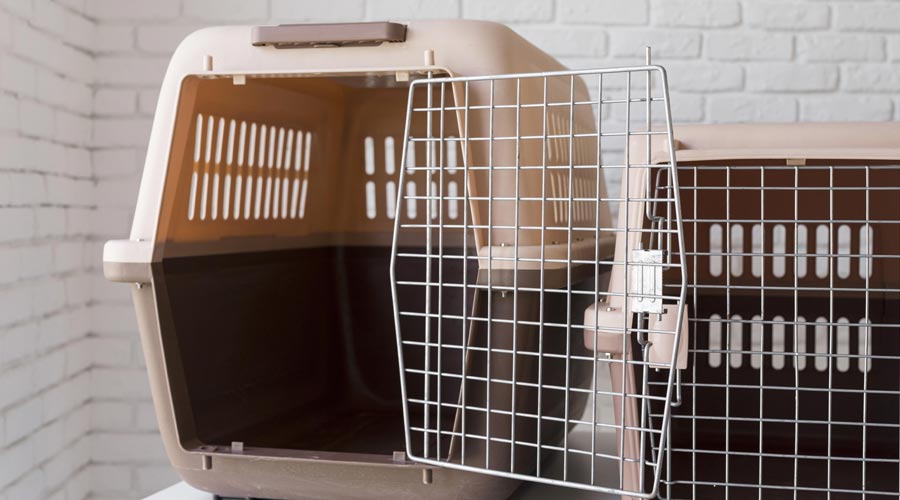
Yes. We will supply a carrier that is suitable for your pet, measured specifically to ensure that it will be big enough for your pet to stand, lie, and turn around in comfort. Extra space is not recommended as it can be expensive, but more importantly can cause injury to your animal during possible periods of turbulence.
Will my pet be stressed from the flight?
Your pet will be pleased to see you and will probably enjoy a good meal at the end of their flight, but most animals travel very well and relax throughout the flight. More than a million pets fly safely world-wide every year. The aircraft captain will know animals are on board and will act accordingly in line with recommended procedures.
Will my pet be tranquillised before it travels?
Inline with Defra and advice from vets, we strongly discourage administering tranquillisers to your pet before the flight. Due to the change of air pressure in the pressurised aircraft hold there is a risk of adverse drug reactions and breathing difficulties. Airlines may refuse to transport sedated animals as they cannot judge their state of health. For a safe and healthy flight we recommend you DO NOT sedate your pets.
What is the difference between Excess Baggage® and Air Cargo®?
When you travel with your pet and you both check in at the passenger terminal, this is termed as excess baggage, however your pet will still travel in the cargo hold. Air Cargo can be used when you travel with your pet or if your pet is travelling without you. Your pet will be checked in through the cargo terminal at it’s departing airport. The cargo terminals of modern day airports are used to handling and caring for animals and many even have specialist animal holding rooms.
Are there any circumstances when animals cannot fly?
Yes. If a vet or duty manager at a handling centre is concerned about your pet it will be checked and may be held back from travel. This is for the welfare of your pet. Restrictions can also be imposed due to seasonal temperatures in certain countries, again this is for the welfare of the animal, as extremes of heat or cold are not good for your pet.
How soon will my pet be allowed off the aircraft?
While you fight with the hoards of passengers to find your bags and duty free from the overhead lockers, your pet will already unloaded from the aircraft. The ground teams at the arrival airport will know that animals are on the flight and they will be the priority to be removed from the aircraft.